Low Back Pain & Sciatica
Exercises, Treatment Options, and Recovery Guide
Disclaimer: We recommend seeing a Doctor of Physical Therapy to assess your specific situation and circumstances. The below information is to be used as a general guideline based on our years of experience studying, researching, and treating patients.
RED FLAGS. Please seek medical attention immediately if you have any of the following symptoms:
- Sudden weakness in legs or anywhere else. This would be obvious weakness making walking difficult. The key is weakness, not just pain.
- Sudden change in bowel and bladder control. If you are unable to sense or control when you have to go to the bathroom, seek immediate care.
- Numbness where you sit on a bike seat. Numbness in this region indicates it is time to seek immediate care.
- Significant trauma or injury. Please do not simply wait for it to improve. In these cases, it is best to seek professional help to ensure your long-term health, and avoid further pain or injury.
For everyone else, movement is usually part of the solution… not prolonged bed rest. Most cases of low back pain and sciatica improve with conservative treatment.
Not sure where to start? Most people improve with the right movement and exercise.
We generally see three common patterns of low back pain:
- Backs that respond well to spinal manipulation
- Backs that prefer bending backward
- Backs that prefer bending forward
Which of these sounds most like you?
"My Back Feels Like It Needs To Pop"
- "I need someone to crack my back."
- "It feels stuck."
- "I feel temporary relief when it pops."
"Walking Feels Better Than Sitting"
- Standing helps
- Walking helps
- Bending backward feels good
- Sitting aggravates symptoms
"Bending Forward Feels Better"
- Sitting helps
- Leaning forward feels good
- Shopping cart position feels comfortable
"None of Those Sound Like Me"
- Symptoms are improving
- You often feel weak rather than stiff
- You are generally flexible
- Pain returns during specific activities
Start Here:
Why Strength Matters
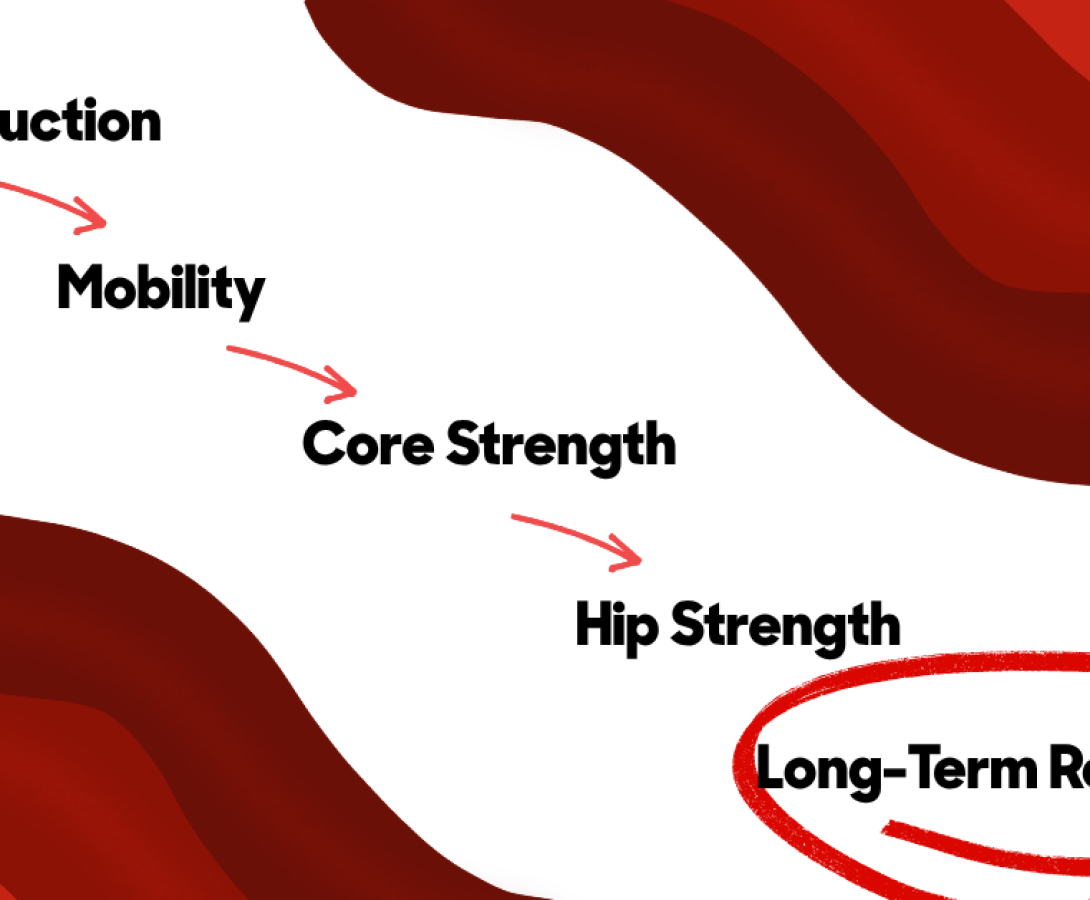
Lasting improvement isn’t just about reducing pain. The goal is helping your back tolerate real life again: lifting, hiking, sitting, working, and exercising with confidence. Building strength through your core and hips helps reduce future flare-ups and improves long-term function. Our goal here is long-term resilience!
Frequently Asked Questions
Usually no. Short periods of rest may help, but too much rest can slow recovery. Gentle movement is often beneficial.
For many people, yes. Walking can reduce stiffness, improve circulation, and help calm symptoms.
Not usually. Most low back pain improves without advanced imaging.
Many people begin improving within weeks, though every case is different.
...Not Sure Which Category Fits You?
We'll help identify what is driving your symptoms, and build a treatment plan that matches your body and goals.
References
1. Honeyman PT, Jacobs EA. Effects of culture on backpain in Australian. Spine. 1996; 21(7):841-3. doi: 10.1097/00007632-199604010-00013. https://pubmed.ncbi.nlm.nih.gov/8779015/
2. Lin IB, et al. Disabling chronic low back pain as an iatrogenic disorder: a qualitative study in Aboriginal Australians. Br Med J. 2013; 3(4):e002654. doi: 10.1136/bmjopen-2013-002654. Print 2013. https://pubmed.ncbi.nlm.nih.gov/23575999/
3. Brinjikji W, et al. Systematic literature review of imaging features of spinal degeneration in asymptomatic populations. Am J Neuroradiol. 2015;36(4):811-6. doi: 10.3174/ajnr.A4173. Epub 2014 Nov 27. https://pubmed.ncbi.nlm.nih.gov/25430861/
4. Chang DG, Shymon S, Powell AJ. Natural resolution of a herniated lumbar disc. Br Med J. 2013; bcr2013201037. https://www.ncbi.nlm.nih.gov/pmc/articles/PMC3794266/
5. Pickar JG. Neurophysiological effects of spinal manipulation. Spine J. 2002; 2(50): 357-371. https://doi.org/10.1016/S1529-9430(02)00400-X. https://www.sciencedirect.com/science/article/abs/pii/S152994300200400X
Learn more, Visit: Our Low Back Pain Blog Post